> _
Healthcare platforms — user support and data navigation
The client needed custom healthcare software development services to simplify users’ interactions with a complex healthcare platform.
Healthcare professionals and patients struggled to interpret on-screen data, while traditional help sections were rarely effective. Manual support consumed resources and still caused delays, making custom software development for healthcare essential as platform usage increased.
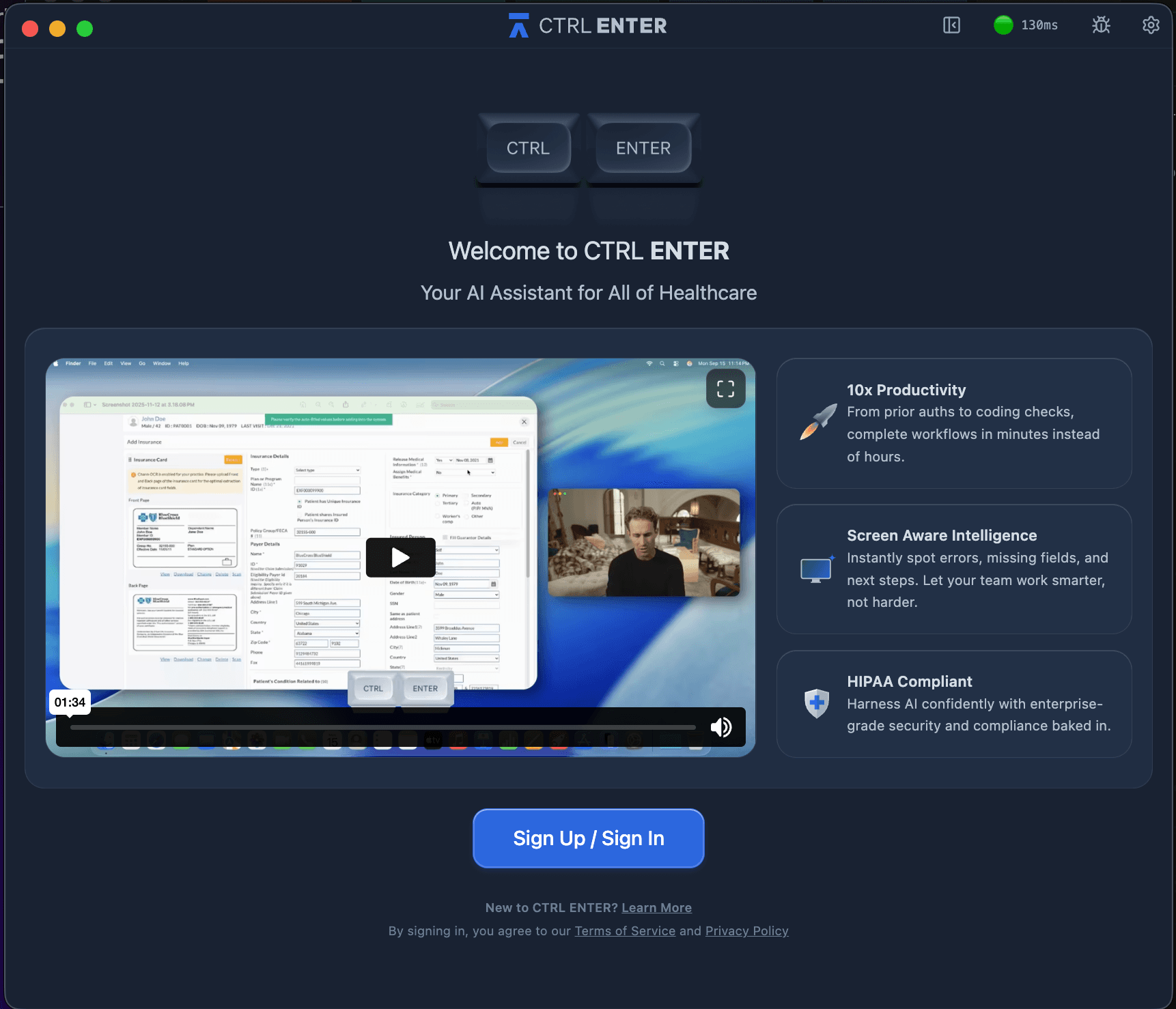
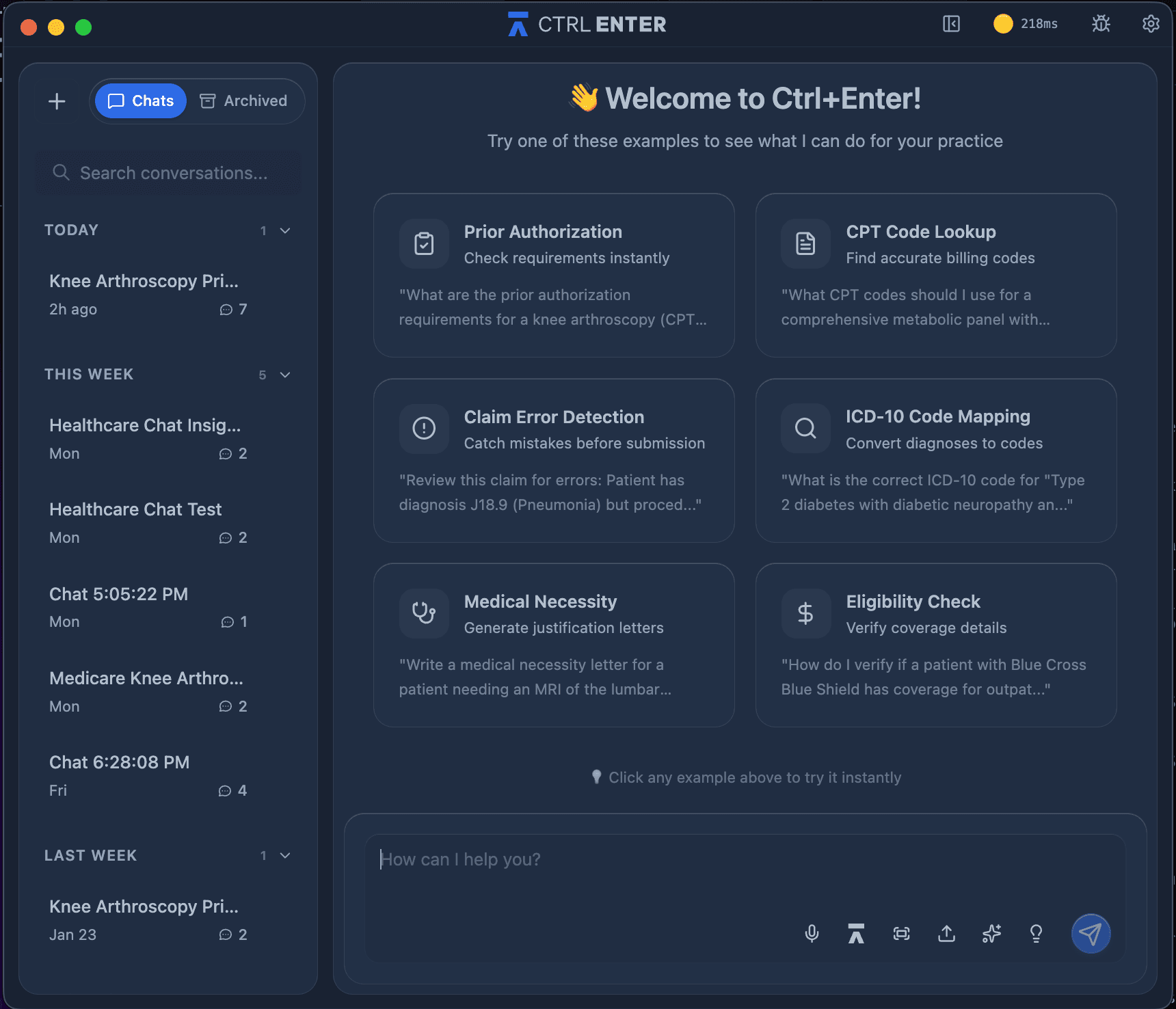
Krasty Soft designed a desktop helper application that integrates directly with the healthcare platform and provides real-time AI assistance.
It allows users to capture screenshots of the active interface and ask contextual questions about visible data or workflows. Built using low code development principles for rapid iteration and interface flexibility, the helper reduced dependency on static documentation and traditional support channels while improving productivity.
Electron, OpenAI, Stripe
Product Overview and Web Development with AI
The project focused on creating a lightweight desktop application that runs alongside the healthcare platform and provides contextual guidance on demand.
The helper acts as an intelligent overlay rather than a separate support system. This approach aligns with modern web development with AI, where assistance is embedded directly into user workflows instead of hidden behind help pages.
By keeping the interaction close to the data being viewed, the solution minimizes interruptions and helps users resolve questions in real time.
Custom Software Development for Healthcare
Healthcare platforms often expose large volumes of sensitive and structured data. Navigating dashboards, patient records, or administrative sections requires clarity and precision. Before implementation, users relied on manuals, FAQ pages, or support tickets, which slowed down daily tasks.
To address this, Krasty Soft delivered web development with AI that focuses on contextual understanding. The desktop helper interprets what is shown on the screen and provides relevant answers without requiring users to leave the platform.
Desktop Assistant Architecture and Low Code Development
The application was built using Electron to ensure cross-platform support and fast deployment. OpenAI API powers the assistant’s reasoning layer, while Stripe enables controlled access and monetization.
A low code development approach was used for UI components, allowing rapid adjustments based on user feedback and evolving platform features. This setup made the tool easy to extend without rebuilding core logic, keeping development efficient while maintaining reliability.
Key Capabilities and Web Development Using AI
The desktop helper introduces a practical example of web development using AI, where intelligent assistance responds directly to user context.
Core capabilities include:
- screen snapshot capture for contextual analysis;
- AI-driven explanations of visible data and interface elements;
- instant answers without navigating away from the platform;
- reduced reliance on manual customer support;
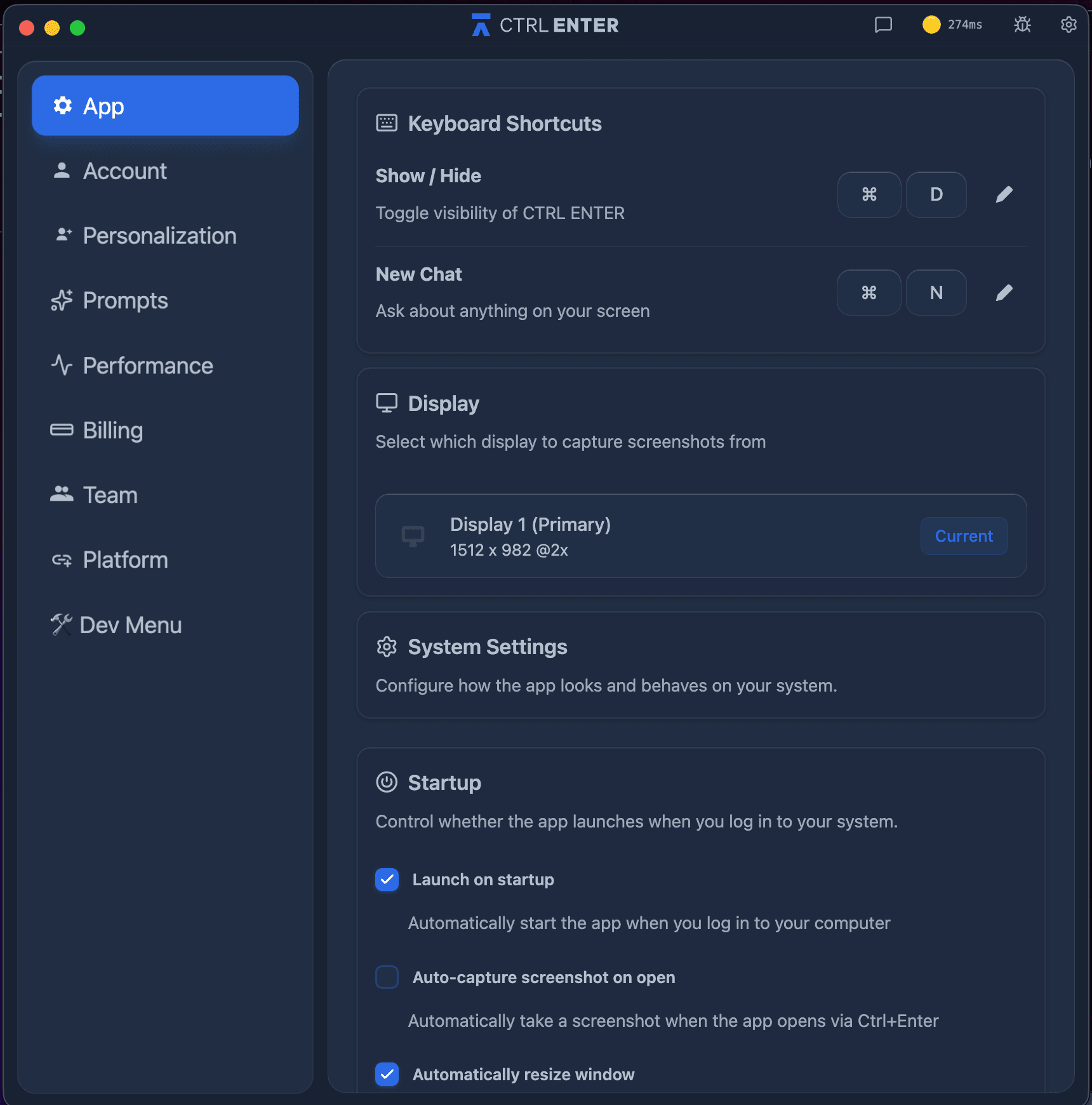
- a simple desktop UI designed for daily healthcare workflows;
- controlled access and billing through Stripe integration.
Outcomes and Impact
The desktop helper built through web development using AI improved how users interacted with the healthcare platform and reduced the operational load on support teams. Questions that previously required tickets or manual explanations could now be resolved instantly.
The project results were:
- faster user onboarding and navigation;
- fewer repetitive support requests;
- scalable support enabled through custom healthcare software development services;
- improved clarity around on-screen data and workflows;
- increased productivity for healthcare professionals.
This case shows how custom software development for healthcare, combined with AI, can deliver practical, user-centered tools that enhance platform usability while lowering support overhead.