> _
Web3 and DeFi — decentralized liquidity infrastructure
The project emerged from the need to replace unsustainable liquidity models in decentralized finance. Inflationary token emissions diluted value, while investors faced high risk and unstable returns.
These constraints limited long-term planning and trust, highlighting the need for a custom software solution that supports structured and sustainable liquidity mechanisms.
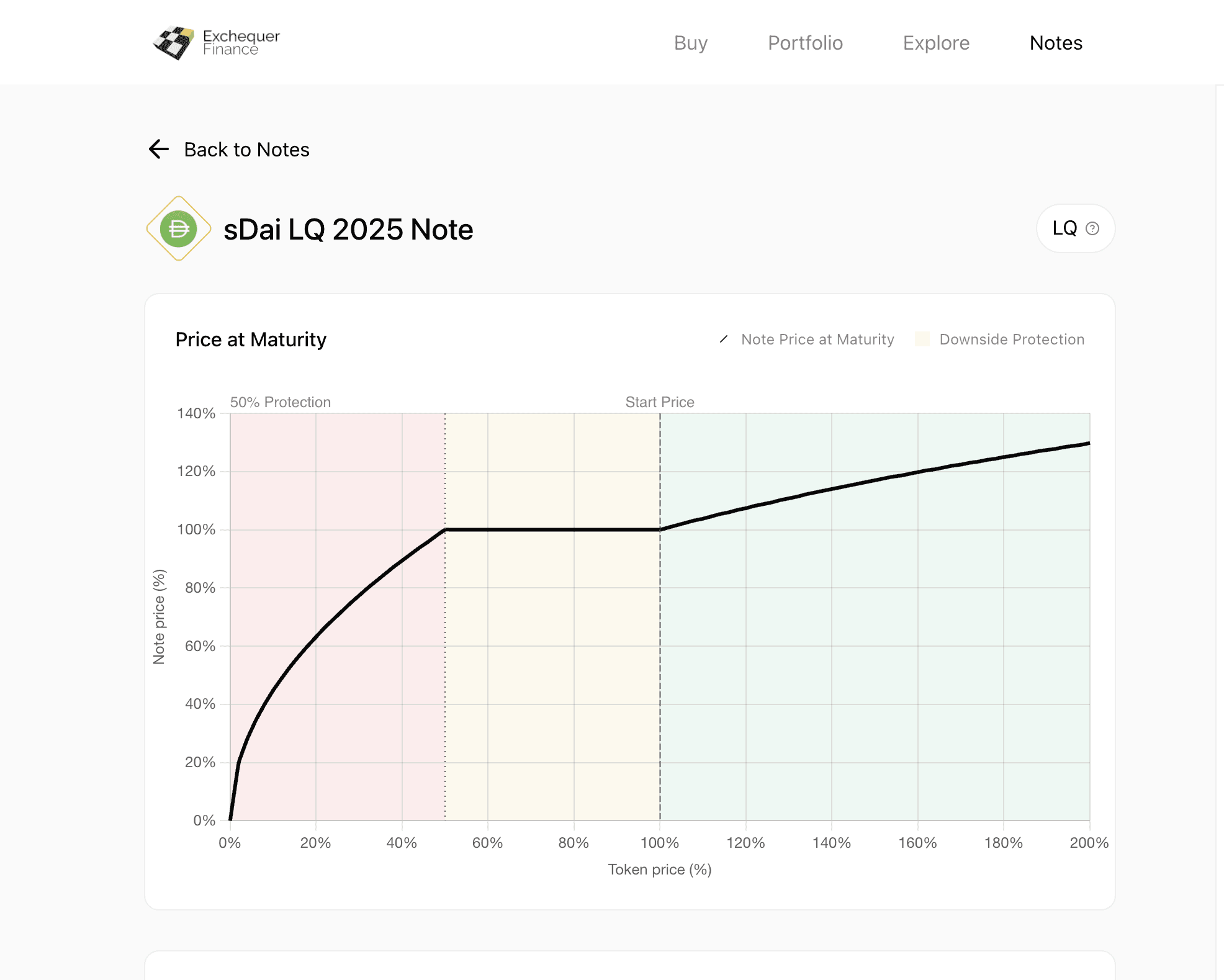
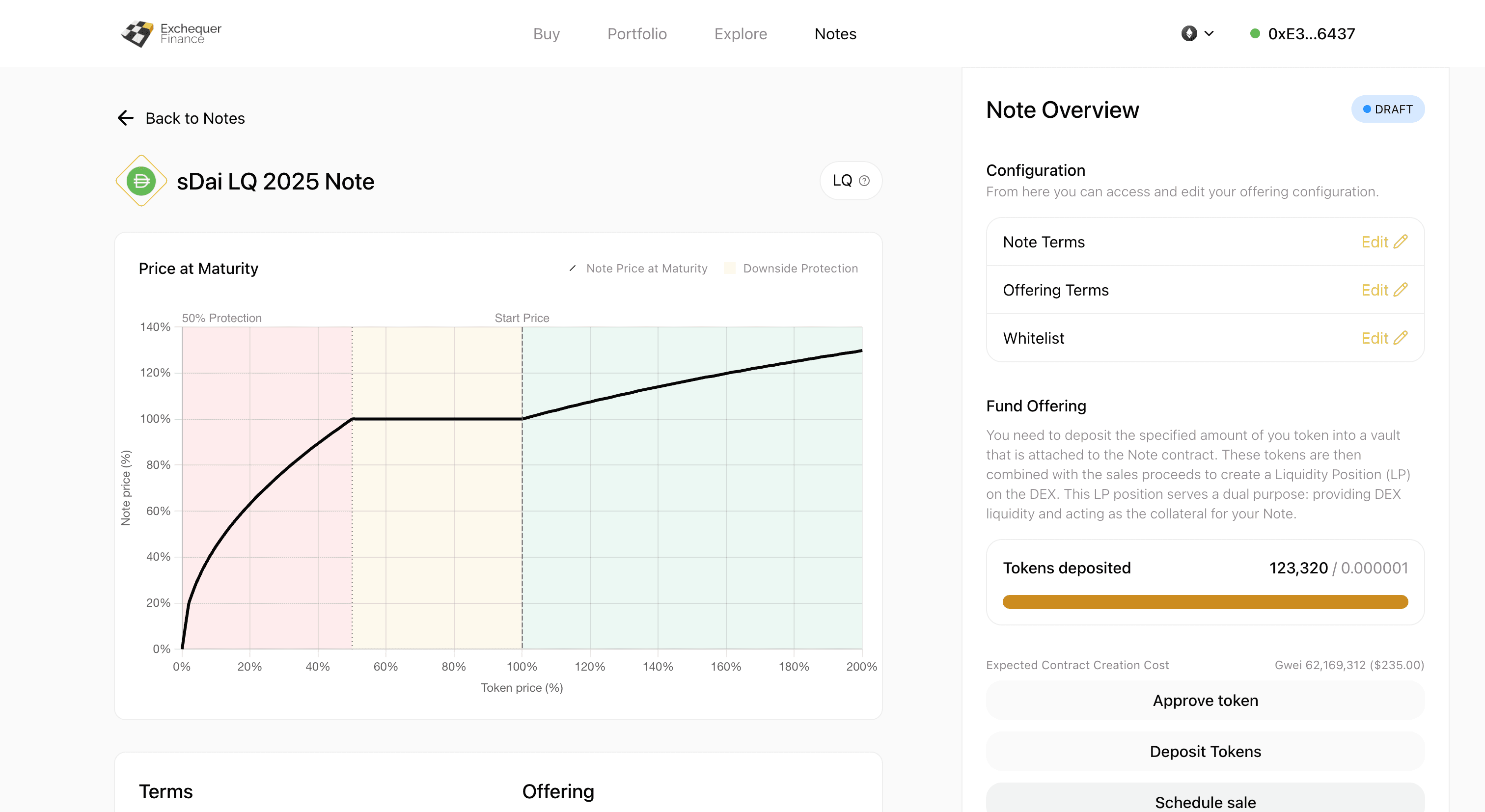
We partnered with the client to build a decentralized platform introducing Liquidity Notes — structured financial products inspired by traditional finance models.
The solution allows projects to combine treasury tokens with external capital to form long-term liquidity pools. Through the platform, investors gain capital-aware exposure with predefined risk parameters. Delivered through a combination of custom software development services and blockchain integrations, the platform balances flexibility, transparency, and financial discipline.
React, Python, EthJS, GraphQL, FastAPI, PostgreSQL, Google Cloud Platform
Platform Vision: Custom Software Solution
The WEB 3 Platform was designed as a complex financial infrastructure layer rather than a single-purpose DeFi app. Its architecture supports complex interactions between on-chain liquidity pools, off-chain analytics, and user-facing dashboards.
Built as a custom software solution, the platform enables projects to structure liquidity strategies that align with long-term growth instead of short-lived incentives.
DeFi Context for WEB 3 Software Development Services
Traditional DeFi liquidity models reward users through continuous token emissions, which erode value over time. At the same time, investors face exposure to volatile yields and opaque risk structures.
To address this imbalance, Krasty Soft delivered WEB 3 software development services focused on structured finance concepts adapted for decentralized environments. Liquidity Notes act as financial instruments that define clear terms for yield generation, capital protection, and upside participation.
Architecture: Python Web Development
The backend of the platform relies on Python services. It handles data aggregation, validation, and interaction with smart contracts.
Through Python web development, the system manages analytics, reporting, and API communication while maintaining performance and reliability. FastAPI and GraphQL provide a clean interface between blockchain data and application logic.
Frontend Layer: React Projects
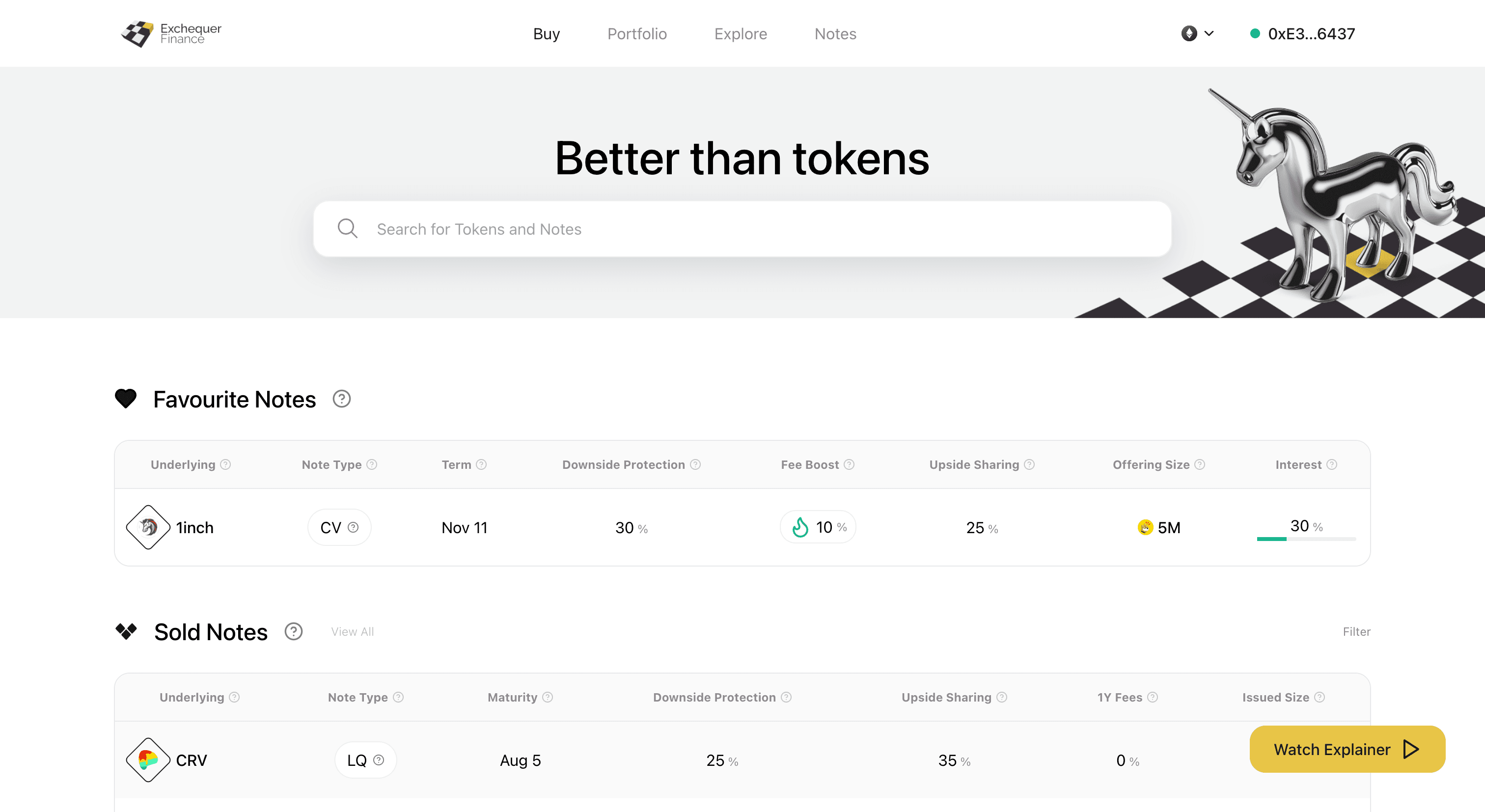
User interaction is handled through a modern interface built as part of scalable React projects. The frontend presents Liquidity Notes, pool performance, and risk parameters in a clear and transparent way.
By separating complex financial logic from presentation, the platform allows both projects and investors to understand positions without deep technical knowledge.
Bespoke Software Services for Structured Liquidity
Krasty Soft approached the project as a long-term initiative requiring bespoke software services. The platform’s logic reflects structured finance principles, including principal protection, predefined yield mechanics, and controlled liquidity behavior.
These bespoke software services ensure that each Liquidity Note follows predictable rules, helping projects plan treasury usage and investors assess risk more accurately.
Outcomes and Impact
The WEB 3 Platform introduced a more sustainable liquidity model for DeFi participants. Projects gained tools to build long-term liquidity without excessive dilution, while investors accessed clearer and more secure yield structures.
Key outcomes include:
- reduced reliance on inflationary token emissions;
- predictable liquidity behavior through structured products;
- long-term stability enabled by custom software development services;
- improved transparency for investors;
- scalable infrastructure supporting future financial instruments.
Our case demonstrates how WEB 3 software development services, combined with Python and React infrastructure, can bridge traditional finance concepts with decentralized technology to create more resilient DeFi ecosystems.